The History Of CCTV

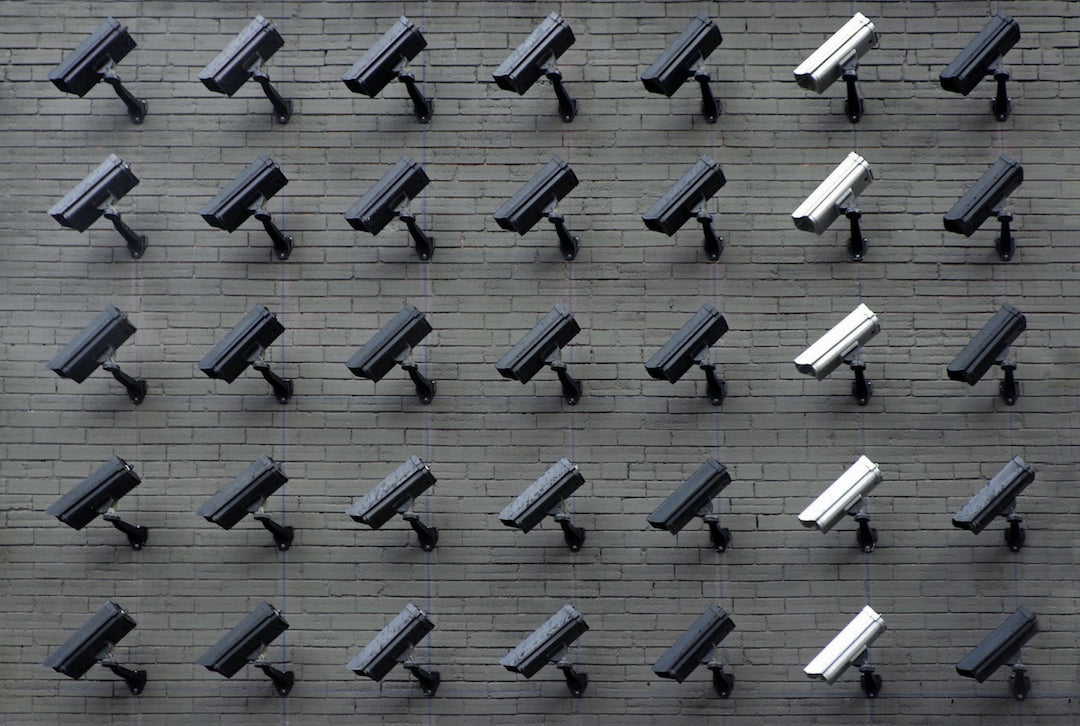
Did you know that CCTV began not as method for deterring and recording burglars but to monitor rocket launches? The history of the development and facilitation of CCTV is fascinating and multi-faceted and is probably not what you expect.  

The use of CCTV for increased security in homes and businesses is a common and valued occurrence these days. Incorporating CCTV into a security system can greatly reduce the risk of crime, and there are now many options regarding features and costs. But how did CCTV monitoring start and how has it grown over the years?


Seeing cameras strategically placed in public and in homes is a normal part of our day to day lives, and we have grown to accept and appreciate them. The important role CCTV can play leads us to reflect on the interesting history of CCTV. 


What Is CCTV? 

CCTV, also known as Closed Circuit Television, is used to improve personal and property safety and security. This is done by capturing and recording visual data by utilising a local network of cables. The process does not involve outside sources such as the internet, which is why it is referred to as closed circuit.


CCTV can be used to: 

  • Deter criminals by acting as a visual indication of the use of a security system.
  • Alert home and business owners, security teams, and emergency services of criminal or unwanted activity.
  • Record footage of criminal or unwanted activity for court cases and insurance claims.


When And Why Was CCTV Invented? 

Walter Bruch was the designer of CCTV, and the intention of his invention was not what most of us use it for today.  

CCTV was initially developed and used by German troops so they could monitor rocket launches during World War II from inside their bunkers. This occurred on a live stream basis as recordings were not available at the time. CCTV went on to be used by the government of the United States of America so that scientists could observe nuclear bomb testing at a safer distance.  


When Did CCTV Become Used For Public Security?

Being able to create a recording of the footage only came into play much later, and for a while, this required a reel-to-reel process, which meant magnetic tapes had to swapped manually. This was unappealing in most settings due to the time and costs involved, and the potentially unreliable nature of the process.

By the end of the 1940s, Vericon, a U.S. contractor, began to provide the CCTV technology and its use slowly expanded. For instance, during an event in 1960 involving the Thai royal family, British police utilised CCTV cameras, which increased awareness of how this form of security could be used for public safety. Its use became more prevalent, such as in train stations.


When Did CCTV Become Used For Home And Business Security?

Following on from the increasing use of CCTV in public settings, home and business security methods began to involve the technology. Marie Van Brittan Brown patented the home security system in 1969 and it continued to grow. The invention and increasing distribution of the cassette tape during the 1950s and 1960s allowed for the recording of footage taken by CCTV cameras. This was a significant and exciting step and increased the popularity of CCTV. During the 1970s, technology expanded to incorporate more reliable and advanced methods and VCRs replaced cassettes. In the 1980s, digital video recording made the process of reviewing and analysing incidents in the footage easier and less time consuming. By the early 1990s, many CCTV users opted for digital multiplexing, which meant several video feeds could be used with one screen.


CCTV Technology And Use Have Continued To Expand

DVR technology continued to make it easier to have multiple recording feeds and allowed home and business owners to view footage of their property from a different location. Facial recognition technology further refined the monitoring ability of CCTV during the 2000s, amplifying the security potential tenfold. 

Today, the options available are varied and efficient with features that would surely shock and amaze the inventor of CCTV. Home, commercial, and public security systems can be comprehensive and extensive and have great potential to reduce criminal activity.


Dorani Supplies And Installs CCTV Systems 

Our team at Dorani is experienced and qualified to install our high-quality CCTV equipment. We have been a leading Australian owned provider and installer for Melbourne, Brisbane, and Gold Coast homes and businesses since 2002.


Call us today to find out what CCTV options will suit your needs and requirements. 

CONTACT DORANI

DIY vs. Professionally Installed Security Systems

Having a home security system or home alarm system is essential for your peace of mind. According to a survey by Budget Direct, over 4% of Australian households experienced at least one break-in or attempted break-in between 2020 and 2021, where over 70% of break-ins resulted in the theft of belongings. Figures like that may be able to be reduced with a home security or alarm system that deters criminals. But with so many home security options on the market, and the choice between professional and DIY installation, it can be difficult to know what’s best for you and your home.

This article explains the pros and cons of DIY and professionally installed home security systems so you can make the most informed choice for you. For personalised advice or to purchase a home security or alarm system, contact our team at Dorani today.

DIY Home Security System Installation

Pros of DIY home security alarm/system installation:

  • More affordable
  • Repositionable
  • Can add to over time

Cons of DIY home security alarm/system installation:

  • Lack of warranty
  • Potential for error during installation
  • Add-ons are more expensive

If you’re great at reading and understanding instructions, DIY installation for your home security or home alarm system may be a good option for you. Overall, this is generally the more affordable option when compared to having one professionally installed, but you should preferably have some knowledge of what you’re doing before you get started. If you make a mistake during installation, it may be a hassle and costly to fix.

Additionally, if you misplace a sensor or camera you may not realise it until it’s too late. Improper placement can easily render a DIY home security system much less effective or even ineffective altogether. You could also make system errors even if you place them in the correct spots, so it’s important to know your skillset if you choose to DIY your home security system.

However, installing your home security or home alarm system yourself gives you greater control over its pieces of equipment. You can add new pieces over time or move sensors into different areas if you need to, and even take the whole system with you if you move from your current residence.

Professionally Installed Home Security Systems

Pros of professionally installed home security alarm/systems:

  • Customisable to your home and family’s needs
  • Peace of mind
  • Warranty protection
  • Customer service

Cons of professionally installed home security alarm/systems:

  • More of an initial investment
  • Less flexibility regarding equipment and set-up
  • May not be able to transfer into your next home if you move

Having a professional from the company your purchased your home security system from install it for you will likely cost you more than if you were to do it yourself. If money is less of a concern, the upsides of professional installation despite its cost investment may be worth it to you. Professional installation also means you’ll be given the rundown on how the equipment works instead of needing to figure it out for yourself.

Typically, professional installation of a home security or home alarm system means that your installer will check that your equipment works correctly before leaving. This gives you peace of mind knowing that your system is ready to go immediately, rather than needing to ask friends or family to help you test it, or the worst-case scenario where you don’t realise its ineffectiveness until it’s too late.

On the other hand, depending on how your home security system is installed, it may be trickier— if not impossible— to take your system to a new home with you. For example, a home security system that’s been wired into the walls will typically be much more difficult to relocate than a peel-and-stick DIY system.

DIY Or Professional Installation: Which One Is Right For Me?

If you move around frequently or intend on moving at least once, a DIY home security system may be the best option for you— provided you have an understanding of how to perform the installation correctly. However, if you’ve had a break-in in the past and just want peace of mind knowing you’re protected from the second it’s installed, you may prefer professional installation. Overall, your personal preferences hold the key to how you install your new home security system or home alarm system.

Looking For A New Home Security System?

If you’ve been unsure of whether to go with professional installation for your home security system or to install it yourself, we hope this article has cleared up the pros and cons for you. At Dorani we pride ourselves on offering the best in home security and have a large range of options to suit every home and budget. To find out more about our range of CCTV systems, video intercoms, security cameras, and more, contact our knowledgeable team today.

CONTACT DORANI

Can CCTV Work Without Electricity?

Securing your home or business is one of the smartest moves you can make when it comes to protecting your investment. CCTV cameras are a great way to do so, as they allow you to monitor the premises live and to record videos for later viewing, which can be extremely helpful in many situations. However, power outages are always possible, and many people are concerned about whether CCTV cameras will work without electricity.

This blog explores whether or not CCTV camera will work without electricity and allow you to pick up on goings-on regardless of power outages. To select the CCTV camera that best suits your needs, contact our experienced team at Dorani today.

How Are CCTV Cameras Powered?Can CCTV work without electricity

The type of CCTV camera you choose and the way it is powered will factor into whether it is able to work without electricity.

CCTV cameras are installed by running wires through the wall that are attached to the power. To do this, the property needs a pre-existing data cable in the wall. The CCTV camera is connected to the network device via the network cable, and this needs electricity to operate.

With this being said, many CCTV cameras have backup power options available.

CCTV Camera Power Options

Backup power options can include:

1. A generator

Many infrastructure facilities such as hospitals have a generator system in place to allow a constant flow of electricity. This is often due to life-saving equipment, but as a generator can provide electricity to the whole facility, this can ensure the CCTV cameras are always working as well. While not many people have generators for their personal place of residence, some do, and this is an option you may like to consider for either your home or business.

2. Battery backups

A battery backup for each of your CCTV cameras will enable the camera to use this method of power if and when there is an electricity outage. Not all CCTV cameras come equipped with battery backups. For those that do, the power the battery backup can provide is far less than what a generator can. When the battery has run out, it will need to be recharged before you can use your CCTV system again.

Some CCTV cameras are able to anticipate a power outage and automatically switch to using their battery backup for power.

While some parts of the CCTV camera may be able to operate without electricity, the system will not be fully functional. Any CCTV system that relies on the Internet won’t be able to function during a power outage due to the Internet connection relying on electricity as well. Additionally, features such as live viewing cannot be accessed while running on backup power.

It is possible to remove the storage from the CCTV camera to view it on another device such as a computer, however the camera will not be able to record current happenings without its storage system in place.

Which CCTV Camera Is Best For Me?

When considering having a CCTV camera installed, you’ll need to think about how important it is to have the option of backup power. Whether there is a problem with the electricity grid or a storm that temporarily disturbs the power supply, a power outage can happen at any time.

If you are concerned about how your CCTV camera will be able to operate in such an event and you don’t have a generator, you may wish to consider a CCTV camera with a battery backup.

Looking For CCTV Cameras?

At Dorani we offer multiple types of CCTV cameras, including those with battery backup options. Whether you are looking to secure your home or business, we will talk with you to discuss the options we have available that may best suit you. To discuss your CCTV camera options and the system that best suits your needs, contact our experienced team today.

CONTACT DORANI

Your Guide To Wired vs Wireless Intercom Systems

Are you looking to improve your overall home functioning by purchasing an intercom system? If you’re in need of an intercom that will be the right fit for you and potential family members, it’s important to select one that aligns with your individualised values. Here’s where the question of whether to get a wired or a wireless intercom system enters the picture.

It’s pertinent to consider factors that may influence your purchasing behaviour, such as your level of required security, style and extent of bonus features you require. Here at Dorani, we provide countless intercom options, including both wired and wireless intercom systems.

Here’s a few things to consider before purchasing your ideal intercom system:

Firstly, What Is An Intercom System? 

It may be obvious to some, but it’s important to understand the reasoning behind getting an intercom system in the first place. An intercom is a dual-way voice communication device that effectively allows people to speak to one another in a separate area or room. An intercom system generally improves your home and/or business security as you’re better able to assess people entering and exiting the property. An intercom system is great for people who have had previous security disruptions, those who hold valuable items in their property and for vulnerable community members.

With this in mind, let’s compare the wired and wireless intercom systems by looking at the key features and benefits. For personalised advice, contact the Dorani team today!


Intercom Systems And Security

Both wired and wireless intercoms provide additional security measures to your home. Home and business owners can attain the added layer of security to their property when installing a custom intercom system. This can offer many benefits such as restricting access to your property to permitted guests only, enhancing communication and the added advantage of being able to save evidence for those entering and exiting your property. This is especially useful for those who may be more vulnerable, such as elderly residents. If security is high on your radar, wired intercoms should be your first choice. Wired intercoms are terrific as each hub is hardwired to each other, making it difficult for breaches to occur. Wireless intercoms still provide you with highly effective security measures, however there is the added potential for the system to be hacked, increasing the risk of issues that may arise.


Consistency And Reliability

When thinking about buying an intercom system for your home or business, consistency may not be at the forefront of your mind but is an integral factor to consider. Wired intercoms depend on a power supply to keep them functioning optimally, this, in turn, causes them to be less reliant on networks.

Everyone has had the experience of failing internet services, if you’re sensitive to internet disruptions, maybe consider choosing a wired intercom for your home. Wireless intercoms have more likelihood to be unreliable as they depend on internet connection. If your property is in an area with volatile network services, it is worth considering an investment into a wired intercom system.


Out-Of-Pocket Costs And Installation

We understand that you want the best available intercom, however cost is always an important factor to consider. If you’re on a budget and still looking to steal a great deal, a wireless intercom will be a lot more affordable. Additionally, wireless intercoms are much easier to install initially in your home.

Even better, wireless intercoms most often don’t require professional installation and can simply be unpacked in your home and operational within a few minutes. Comparatively, wired intercoms will always require professional installation. To save you the stress of installation, wireless intercoms would definitely be a great option to consider.


Wired Intercom Vs Wireless Intercom: What’s Best For You? 

The only person who can answer this accurately is yourself. We could offer advice, however we can only point you in a direction based on your current needs and requirements. If you’re looking for that additional layer of security and wanting something internet-resistant, maybe consider getting a wired intercom device for your property.

However, if you’re in need of something more quickly and are currently on a budget, wireless intercoms would be the way to go. Whilst there are both pros and cons to both, it’s up to you to ultimately decide what is best for you!


Looking For An Intercom System In Melbourne Or Brisbane? 

Regardless of what you choose, intercoms are great for providing extra security measures to your home, helping to ease any additional anxiety you may have. At Dorani, we’ll help you through the entire process. If you have any questions that you’re curious about, we’re more than happy to assist you! You can get a free quote today by getting in touch with our friendly staff, don’t wait!

GET A FREE QUOTE

The Most Surveilled Cities Across The World

The surveillance concept known as Big Brother has been widely discussed when CCTV or security cameras are involved. With a rocky and long history, security cameras have always had a bad reputation regarding surveillance and privacy breaches. But that’s not the actual purpose of such security measures.

Security cameras and surveillance aim to bring security to businesses, homes and individuals who have something to protect – money, goods or safety. Despite this, there are a few cities across the world that are notorious for being high security and are becoming increasingly surveilled. But which cities are the most surveilled globally?

Surveillance is increasingly becoming a security and safety issue for everyday people who worry about Big Brother theories. This article looks at the most surveilled cities globally concerning security cameras.

Top 5 Most Surveilled Cities Globally

With over 10,000 cities worldwide, there will be a vast diversity in culture, social expectations, religions and security. Different countries have different regulations and laws that shape the type of surveillance their government, business and citizens will have. Below are the top five most surveilled cities from five different counties across the globe.

Taiyuan, China

According to a study done by Compairtech, nine Chinese cities are in the top 10 most surveilled cities. This information is based on the density and ratio of cameras per 1,000 people. China has become notorious for its widespread use of surveillance technology and the large volume of cities placed in high ranks from the Compairtech analysis.

According to this study, Taiyuan is the world’s most surveilled city, with over 120 public CCTV cameras per 1,000 people. With a population of nearly 3.9 people, that’s almost one camera for every eight people. It’s estimated that around 54 per cent of the world’s surveillance cameras are found throughout China.

As Taiyuan has the highest density of surveillance cameras, you would expect low crime rates. Despite the ratio of cameras to citizens, it has the highest crime index in the country – coming in at a high 51.47 compared to Beijing’s 34.27.

London, England

London is the only city outside China to crack the top 10 most surveilled cities, with 67 cameras per 1,000 people. The city is notorious for its strict surveillance in public areas and has over 1,000 CCTV cameras per square mile.

According to a study by CCTV UK, the average Londoner is caught on CCTV cameras 300 times a day. Since there is no precise figure on the number of CCTV cameras across London, it’s hard to see the full extent of surveillance. Like many other countries, the regulations and laws around CCTV and surveillance technology are vague and don’t control the use of security. This global issue needs to be addressed as we continue to see more and more use of surveillance technology.

Moscow, Russia

While Moscow doesn’t have a higher ratio of security cameras or CCTV systems like other cities, they have had a spike in facial recognition technology installed across the city. There are over 105,000 cameras connecting areas across the city.  It has most commonly been used throughout COVID-19 lockdowns to ensure those in isolation aren’t leaving their homes or hotels.

Russia ranks third in the world for the volume of CCTV cameras across the country and uses this connected system to host the world’s most comprehensive surveillance systems in Moscow. As stated by the city’s governing bodies, the aim is to increase public safety and the spread of coronavirus. Despite this, there is a growing concern over the population’s lack of regulations and privacy concerns.

Delhi, India

Delhi outranks most cities on this list with over 1,800 CCTV cameras per square mile. This is the highest density of cameras in the world, surpassing even the most surveillance cities in China. There is no clear information about who controls this extensive system of cameras. Some sources say police control two to five per cent of the cameras; others say around 50 per cent. There are no consistent answers which raise the issue of whether or not these cameras are being used for safety or unethical surveillance.

Beverly Hills, United States

Beverly Hills is a city found within Los Angeles County. The city is known for its wealthy residents and high-end shopping strips swarming with security cameras. There is around one security camera for every 17 residents. The small population of 32,500 pushes it high into the ranks.

There has already been a commitment from the local city council to install more cameras and surveillance technology. This has made some residents feel more protected, while others are left wondering what this outcome will lead to. When there is more surveillance, the lines between right and wrong start to blur, according to Shobita Parthasarathy, director of Science, Technology and Public Policy at the University of Michigan.

What Does The Data Mean For Future Surveillance?

In 2020, there were around 770 million security cameras worldwide – and this number was expected to reach over 1 billion by the end of 2021.

This increase in surveillance and CCTV systems has people on a global scale cautious about their personal information and life being watched in a Big Brother style of surveillance. One of the main pushes for CCTV installation is to fight crime and reduce illegal activity, but Compairtech found little correlation between the installation and reduced crime rates.

CCTV isn’t a negative or inherently wrong technology when used primarily to protect your assets and loved ones. If you want to learn more about CCTV systems, view our products page here. At Dorani, we focus on security audio and visual equipment to help you feel safe in your home. Contact our team for more information.


VIEW CCTV PRODUCTS

When Were Video and Security Cameras Invented?

Security cameras have a rich and diverse history behind their development. From the invention of film cameras to the surveillance of businesses – there is a long history that spans over 100 years. Technology has advanced dramatically from the late 1800s to now and will continue to adapt and change to our needs. Let’s take some time to reflect on the rich and exciting history of security cameras and film. We continue pushing boundaries from the 1895 birth of cinema to where we could be in 5, 10, or 50 years from now.

Over the past 150 years, film has taken us from single frame slide shows to live entertainment and live feeds worldwide to monitor security and safety.


The Emergence Of Film

The Cinematograph, the first-ever motion picture camera, was invented by Auguste and Louis Lemiere in 1895 on their quest to merge film and projection. This camera, projector and film printer hybrid was the first of its kind and revolutionised how people viewed and interacted with film.

Nearly 30 years later, three-strip Technicolor cameras were commercialised in the 1930s for amateur home movie markers. Now allowing people to capture film in three distinct colours that were recombined during the printing process.

We can thank the entertainment industries of the 19020s and 30s for how we use cameras today! The use of video cameras became mainstream after they became the staple for capturing and producing live TV for consumers to enjoy as it was happening, removing the laborious editing process.


How Fiction Influences Technology

Science fiction has always impacted and influenced our technological advances, and security cameras are no different. George Orwell’s novel Nineteen Eighty-Four coined the term “Big Brother is watching you” to signify surveillance of the lower class. Now, Big Brother is a common term you will hear regarding security cameras and surveillance. However, it is used more to talk about online surveillance through computers, smart home devices and our phones.

This fictional lens on security has caused a weariness toward security cameras and safety surveillance. Many people are worried about their private information being spied on by Government organisations or businesses. But security is not about invasions of privacy for us; it’s about safety and keeping personal records private. And although the history of security cameras is rooted in surveillance, it is not the surveillance of individuals that it focuses on – but the security of businesses and sensitive information.


The Limitations of Cameras

These advancements in video technology led us to the 1950s when closed-circuit television (CCTV) systems started popping up. This new film era meant that cameras could broadcast to select monitors to surveil properties.

While this was great to use as security systems for businesses, these early systems still required human invention to monitor and record data. The limitation of the fully manual system and its costly price tag meant that only the most prominent organisations could use it, as other businesses couldn’t afford it.


Digitalisation of Film

The 1970s brought about VCR (videocassette recorder) technology, a more cost-effective method to record camera feed for later monitoring. After this, the 1990s gave us time-lapse and motion-triggered recording technologies – allowing for more functionality and flexibility with these systems.

1995 was when Sony came out with the MiniDV system – allowing users to transfer all their video and image files into a digital format for editing. This changed the future of photography and videography to how we know it today. By the 2000s, we had come a long way from the beginning of film and cameras, but this long history of security cameras doesn’t stop at the start of the 21st century.


The Future of Security

Security cameras and systems protect homes, businesses and people. We can now use wireless security systems that can almost do anything we need, including viewing and recording live security feeds that can be accessed from anywhere – if you are connected to the internet. Security systems will continue to advance in the future, using software and integrating into intelligent buildings to provide more connections.

Tools like smart home systems, drones, and social networks will continue pushing security boundaries. For a comprehensive look at security systems and devices you can use for your business or home, contact Dorani today!

CALL US FOR MORE INFORMATION

What is CCTV?

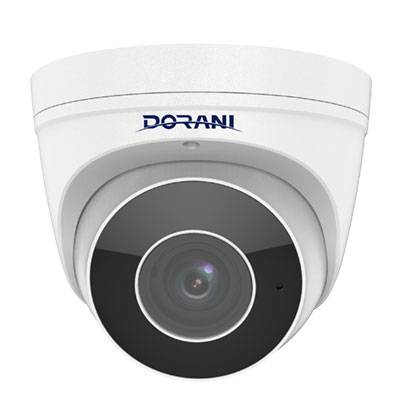
4MP Fisheye Fixed Dome Network Security Camera

If you’re wondering what CCTV is and how it works, you’re not alone. This security measure has become increasingly popular in recent years as a way to monitor and protect homes, businesses, and other properties. But what exactly is CCTV? And what are the different components that make up a typical system?

In this blog post, we’ll answer those questions and more. We’ll give you a detailed overview of what CCTV is, the different types of systems available, and the benefits of using this security measure. By the end of this post, you’ll have a better understanding of how CCTV can work for you. So let’s get started!


Overview of CCTV

CCTV, or closed-circuit television, is a system of security cameras that are used to monitor certain areas for the purposes of surveillance and safety. This can include private homes, businesses, public spaces, and more.

Whether you need CCTV for security purposes or simply to keep an eye on what’s happening in a certain area, it is an important tool that can help to keep your home or business safe and secure.


The different components and types of CCTV systems

There are several different types of CCTV systems that can be used depending on what your needs are. Some common components of CCTV include cameras, monitors, recording devices (such as NVRs), cables and routers, and software to manage all of these different components.

Some examples of different types of CCTV systems include dome cameras for indoor use, bullet cameras for outdoor use in harsh weather conditions or high-risk areas, PTZ (pan-tilt-zoom) cameras that allow you to remotely control what the camera is looking at, and more.


How to choose the right type of CCTV for your needs

When it comes to choosing the right type of CCTV for your needs, there are a few things you’ll need to keep in mind. First, think about what type of property you’ll be using it for – is it a private home, business, public space, or something else? Second, consider what type of security you’re looking for – do you need to monitor activity around the clock, or only during certain hours? And finally, think about what type of budget you have for your CCTV system.

It’s important to consider what type of cameras you need, how many cameras you’ll need, where they will be positioned, and what type of recording device you’ll use. You’ll also need to determine what type of software you need to manage your system, as well as what kind of cables and routers you’ll need to connect everything.

Once you’ve considered these factors, you can start to narrow down the type of CCTV system that’s right for you. For example, if you’re looking for a basic security solution for your home, a simple camera and recording device might be all you need. However, if you’re looking to monitor a business or public space, you might need a more sophisticated system with multiple cameras and advanced recording capabilities.

No matter what your needs are, there’s a CCTV system out there that’s right for you. So take your time in choosing the right one for your needs – it could make all the difference in the security of your home or business.


Maintaining and using your CCTV system effectively

Once you’ve chosen and installed your CCTV system, it’s important to take some steps to ensure that it’s being used and maintained properly. Here are a few tips to help you get the most out of your system:

  • Regularly check all of your equipment to make sure that everything is working properly. This includes cameras, monitors, recording devices, cables, and routers.
  • Make sure that all of your cameras are positioned in strategic locations around your property. This will help you get the best coverage possible.
  • Test your system regularly to ensure that it’s working as it should. This includes checking camera angles and recording quality.
  • Keep your system updated with the latest security software and patches. This will help to keep your system safe from hackers and other threats.
  • Be sure to follow all manufacturer’s instructions for using and maintaining your system. This will help to ensure that it works properly and lasts for many years.

By following these tips, you can help to ensure that your CCTV system is working properly and providing you with the security and surveillance you need.


Why CCTV has become such an important tool in modern security

CCTV, or closed-circuit television, has become an essential tool for modern security systems. With its ability to monitor activity around the clock, CCTV provides many important benefits for businesses and homeowners alike. Some of the key benefits of CCTV include increased security and surveillance capabilities, reduced risk of theft or vandalism, and lower insurance costs.

One of the main reasons that CCTV has become such an important tool in modern security is its ability to provide 24/7 surveillance. Cameras connected to a networked recording device allow you to monitor your property at all times, making it much more difficult for intruders or vandals to get away with their crimes. Additionally, CCTV can be used to deter crime in the first place, as potential criminals will see the cameras and think twice before attempting a break-in or other act of vandalism.

Another benefit of CCTV is its ability to help lower insurance costs. Many insurance companies offer discounts for homes and businesses that have security systems in place, as this helps to reduce the risk of theft or damage. In fact, some insurers will even require that you have a CCTV system installed before they will provide coverage.

CCTV systems have become increasingly affordable in recent years, making them an accessible option for both homes and businesses. With so many benefits, it’s no wonder that CCTV has become such an important tool in modern security.


Get A CCTV System Today

At its core, a CCTV system consists of several different components, including cameras, monitors, recording devices, cables, and routers. Whether you are choosing a CCTV system for your home or business, it is important to carefully consider each of these components when making your purchase from Dorani.

What’s the Difference Between NVR vs DVR Recorders

So, you’re looking to find the right security systems for your home or business. As you start to investigate cameras and proper video recording systems, two main types are going to pop up for you: NVR (Network Video Recorder) and DVR (Digital Video Recorder). Whilst both are responsible for video recording and ultimately can record footage onto a hard drive, they differ in how they are designed, set up, how they process data, and what they have to offer. Continue reading our beginner’s guide to learn more about these systems and which one might better suit your needs.

This blog details the basics of both NVR and DVR recording systems, explaining how they function and what the benefits are of each. If you’re looking for personalised security advice, reach out to Dorani today to speak with an expert.


What is a DVR Recorder?

The design of the DVR recording system is built to allow for video recordings in a digital format. There are a few major perks to choosing a DVR security system, including less money being required to set up a functioning, high-quality system, but let’s first dive into some of the key components required for DVR recordings.


Analog Cameras

Known better as CCTV cameras, analog cameras are the fundamental part of a DVR recording system – and this is where much of the cost is saved. DVR systems mightn’t allow for much flexibility in the type of cameras that can be used, but the reduced complexity of working an analog camera can make running your security system far more manageable. In a DVR system, the recorder processes the images streamed through an analog system from the cameras. Simple as that!


Coaxial Cables

Coaxial cables connect the analog camera to the DVR recording system. The limitations of coaxial cables leave some people feeling as though they can’t be that essential to the system, however DVR data is required to be transferred over this specific type of cable. Common difficulties people find with coaxial cables are that they cannot support power supplying devices on the same line, and therefore another cable is necessary in order to carry electrical signals while the other carries data signals for any video transmission. Likewise, these cables can be tricky to install, and audio may not be supported by the standard coaxial cable.


AD Encoder

Ad Encoders are vital to the DVR recording system. These are responsible for processing all raw data streaming from the camera into viewable, usable video footage. It is therefore important that every camera in this system is connected to both the recorder and a power source.


DVR Benefits

So, what makes people choose a DVR security system? Most commonly, it’s because of the price. A DVR recording system is the overall cheaper option in comparison to the NVR. If you aren’t looking to invest an exorbitant amount of money into your camera system, then the DVR may be the way to go – especially for small or domestic applications, which don’t encompass remote viewing or long-distance data transfer.

Some other key benefits that commonly make the DVR so appealing for prospective buyers include its minimal bandwidth usage. It’s a system that doesn’t demand a high amount of usage, driving down long-term prices and ensuring that your system will be able to last you a long while. On top of that, DVR systems are known for their signal stability, making them a reliable and cost-effective option.


What is an NVR Recorder?

As a network attached security system, an NVR recorder includes a software program that stores digital video recording to disk drives, SD memory cards, flash drives, and many other storage devices. Here are the essential components of an NVR recording system:


IP Cameras

An NVR security system uses IP cameras. These are standalone image capturing devices, capable of processing video data before it is sent to the recorder for storage. IP cameras have the capacity to record and transmit audio as well as images, which makes them an appealing alternative to analog cameras. Advancement in technology has made IP cameras capable of video analytics such as facial recognition, and even picking up license plates.


Ethernet Cables

Ethernet cables are accessible, cheap, and easy to work with. The thin structure of standard Ethernet cables makes setup a breeze, and you’ll find that an affordable cable is readily available in most stores. Standard cables such as the Cat5e and Cat6 work effectively to connect the camera to the recorder itself.


A Recorder

The NVR recorder is designed for storage and viewing of footage. It does not, however, work to actually process the video data into viewable footage.


NVR Benefits

There are several advantages to choosing an NVR system. While they may be more expensive, many people find that the perks outweigh the higher price point. Easier to install, the flexibility of these systems makes them simpler to work with. You can adapt more types of cameras and specifics of the system to suit your home, business, or property. Likewise, the NVR recording system offers better image quality, making your security system generally more effective.


Contact Dorani to Find Your Perfect Recording System

No matter which recording system you wind up installing, there are a couple of vital things to consider. First, you want to be sure that you’re choosing the perfect system for you, your property, and your security needs. Secondly, you want to ensure that you’re receiving any technology from a trusted and expert supplier. Dorani can help you in both these areas. Reach out to our team today to discuss your security recording needs, and allow us to recommend you a recorder that will go above and beyond.


BROWSE OUR NVR RECORDERS

Do Alarm Systems Really Deter Burglars? Our Top Tips Home Security

People talk a lot about home security these days. Smart technology, CCTV, doorbell cameras, automatic alarms… it can seem like a lot. And for anyone looking to invest in security, it’s natural to wonder how effective these systems really are. Do burglars care about alarms? Are you going to be wasting your money by installing a new security system? Continue reading to answer these questions and more as we take a deep dive into whether criminals are really all that fussed by home security.

This blog discusses the effectiveness of security systems such as alarms and cameras, including some easy tips to increase your home security. To enquire about installation of a new security system, contact Dorani today.


Do Burglars Care About Alarms?

Short answer: Absolutely. A burglar is always going to be on the prowl for easy targets, and if any criminals get the idea that your home is protected by an alarm system, it significantly decreases your chance of being targeted. Beyond that, if your home does still get broken into, the odds of catching the burglar increases considerable. Research shows that 60% of convicted burglars say they will actively attempt to target other homes if they have reason to believe that there is a security system in the one they’re initially attempting to break into.


The Power of Security Cameras

What about security cameras, then? All the same principles apply here, and security cameras have the added advantage of providing you with evidence of the burglary, supporting you further in being about to catch the thief should anything happen. A notable perk of CCTV and security camera systems are that they can often be visible outside, and any thief scoping out a property is going to be instantly deterred from breaking into your home if they spot any kind of camera system hooked up to your house. Truthfully, any sort of visible and noticeable security system is bound to add a significant amount of extra protection for your property.

Other Effective Deterrents

Security systems like alarms and cameras are always going to be the safest, most effective way to protect your home. That said, there are always some easy extra steps you can take to deter criminals from potentially breaking into your home. Here are just a few of the quickest ways to throw off burglars from targeting your property, straight from the security experts:

Lights

The brighter your house is lit up, the more it’s on display for the world to see. Burglars prefer to go about their business entirely unseen, so even the simplest of outdoor lightning can keep your home that little bit safer.

Pets

Any property with a dog is going to be very low on a criminal’s list of preferred targets. Loud noises and anything to draw attention to a break in are the last things a criminal wants – so having a dog ready to bark at the first sign of company may be more effective than you’d think.

Pretending to be home

Thieves are always looking to get in and out of a home entirely undetected. Therefore, they’re always looking to go for empty houses. If you’re going to be out for the whole evening, take some minor precautions to make it look like you’re home. Even just throwing a couple of lights on inside, or leaving the television running, can make a world of difference.


Contact Dorani to Get Your Home Security in Order

Worried about burglars? Concerned that your home isn’t as protected as it should be? Home security systems are that safety net that will have you sleeping easier at night. Even just the smallest precautions can keep your property safe from any criminals that may be sniffing around, and you’re never going to regret feeling too safe. If you’re looking for a security system (alarms, cameras, or anything else!) that’s perfect for your household, leave it to the experts. Contact the Dorani team today to chat through your security needs, and we’ll get your home protected as soon as possible.

CALL NOW

Can You Install Your Own Security System?

Dorani Security Camera

With the infinite possibilities of online shopping, home security systems have become more accessible than ever. With a quick Google search, you may find yourself tempted by cheaper prices and seemingly simple DIY projects. Although, there’s often more complexities to these than meets the eye. The question typically isn’t if you can install your own security system, but rather if you should.

Weigh up your options with our guide to security systems and contact us at Dorani for advice on your home security potential.

DIY Security Systems Versus Professional Installation

There are a lot of factors to consider when deciding what system will be best for your home safety. To make this a little more simple, we’ve outlined some pros and cons for each approach:


The Pros of Professional

Perhaps the most obvious advantage of a professionally installed security system, is that the experts will do the heavy-lifting for you. They’ll eliminate the guesswork and ensure the job is done right the first time (after all, this is what they do for a living). They’ll set up the wirings and sensors safely and in prime positioning, which is especially helpful if you’re not experienced in electricals. Of course, you’ll also benefit from the technician’s expertise, as they can provide a thorough security assessment of your home in order to optimise your protection.

The DIY Advantage

On the other hand, the key advantage that reels in most DIY attempts is the dramatic difference in cost. We won’t lie – doing it yourself is often a lot cheaper than calling in professional help. If you’re proficient in installing at-home security systems and you don’t like the idea of sizable upfront costs, this is definitely a more affordable option. A lot of DIY systems are also portable as they’re held in place by adhesives, which can make them easy to move if you change your mind on their positioning.

The Cons of Professional

Unfortunately, there’s a downside to every scenario but with a professionally installed system this doesn’t have to be huge. As mentioned, the key difference here will be price as you’ll be paying more upfront and often an additional service fee for the duration of your security contract. This can add up over time so it’s important to know how important safety is for your home and what you’re willing to pay for it. Ultimately, it’s best to invest in professional.

Disadvantages of DIY

The key negative for DIY systems is that there’s significantly more room for error. Whether it’s by your own accord or an issue with the product malfunctioning, it can be considerably more risky. In this scenario, you’ll be solely accountable for how your security system functions.

This means if you’re lacking the installation skills or ability to perform maintenance checks, you could be enabling a blind spot on your property. Arguably, when it comes to security systems you get what you pay for – a cheap fix may work for the time being but in the long-run it’s not guaranteed to do the job.

The Legalities of Security System Installation

There are a lot of misconceptions about security systems and the law, which means it’s important to know your rights before jumping into anything. You may think that a DIY system will help protect you and your family against criminals in court, however this is actually a much more complex issue. Unlike professionally installed systems, footage from DIY set-ups isn’t allowed to be used in legal cases and therefore can’t even be used as evidence if you catch a criminal on camera.

Legislation also now requires a court order to record audio; doing so without permission can expose you to huge fines even if you weren’t necessarily the one in the wrong. No matter how legitimate your DIY kit may appear, it’s also still considered a ‘home system’, meaning it’s not classified as proper security and unfortunately won’t be considered as such by an insurance company.


Seeking the Help of An Expert – Arrange Professional Security System Installation

Whilst there may be advantages to both approaches, we’d always recommend seeking the help of a home security expert. This will leave little wiggle room for errors, ensuring the job is done right the first time. If you have the budget and are looking for comprehensive security for your home, a professionally installed system should naturally be your first point of call.

As an Australian security systems installer, wholesaler and supplier, at Dorani we’ve got the hard part covered – all you have to do is get in touch.

GET A FREE QUOTE

search Icon_Insta Icon_Location Search-Icon Icon_Email_Red Icon_Phone Icon_Shopping-Cart Icon_Account Icon_Insta Icon_Facebook Icon_Twitter-1 Icon---Email Icon---Location Icon---Phone Icon---Footer---Email Icon---Footer---Location Icon---Footer---Phone chevron-thin-down